
TOP 10 HIGHLY RECOMMENDED INTRODUCTORY PHILOSOPHY BOOKS FOR BEGINNERS
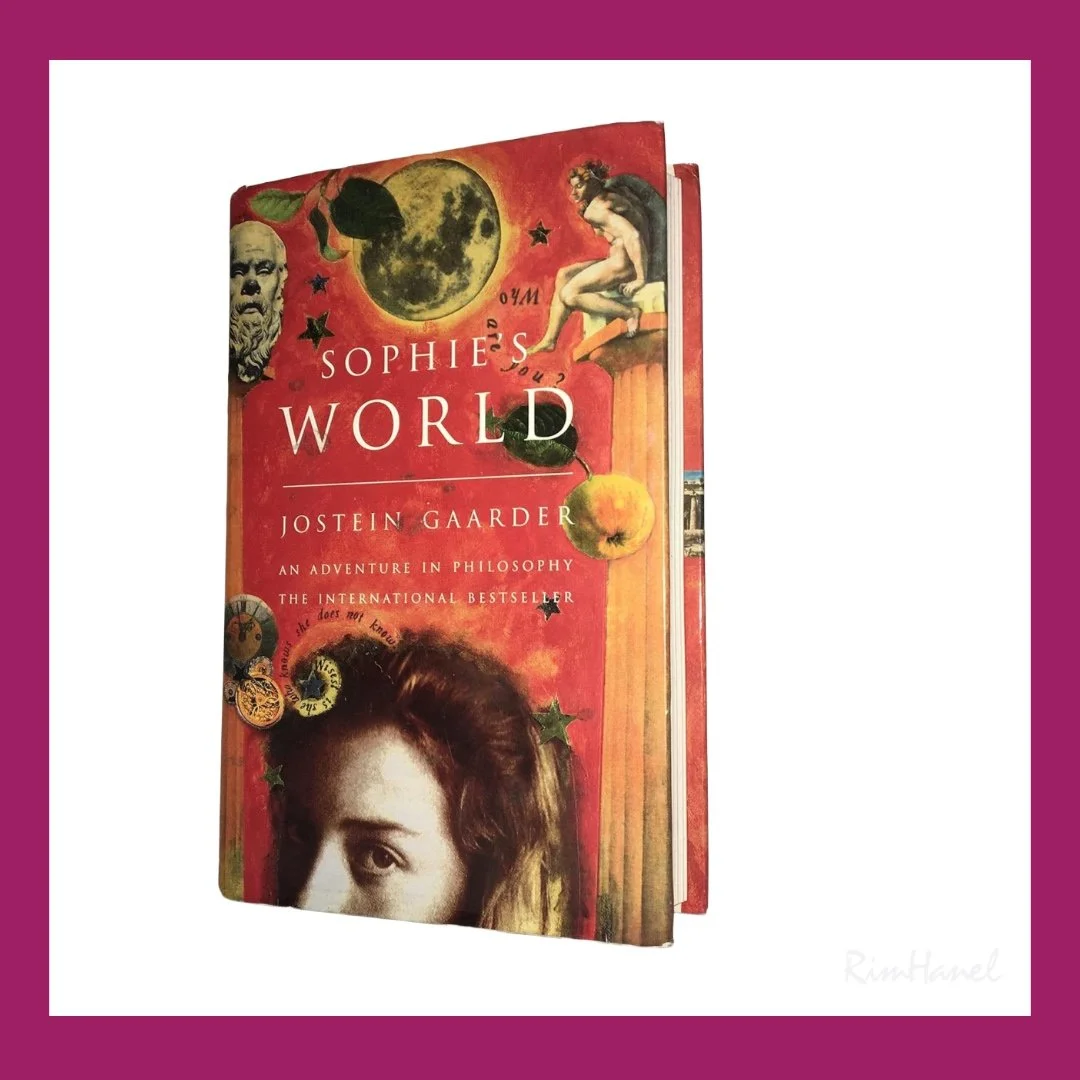
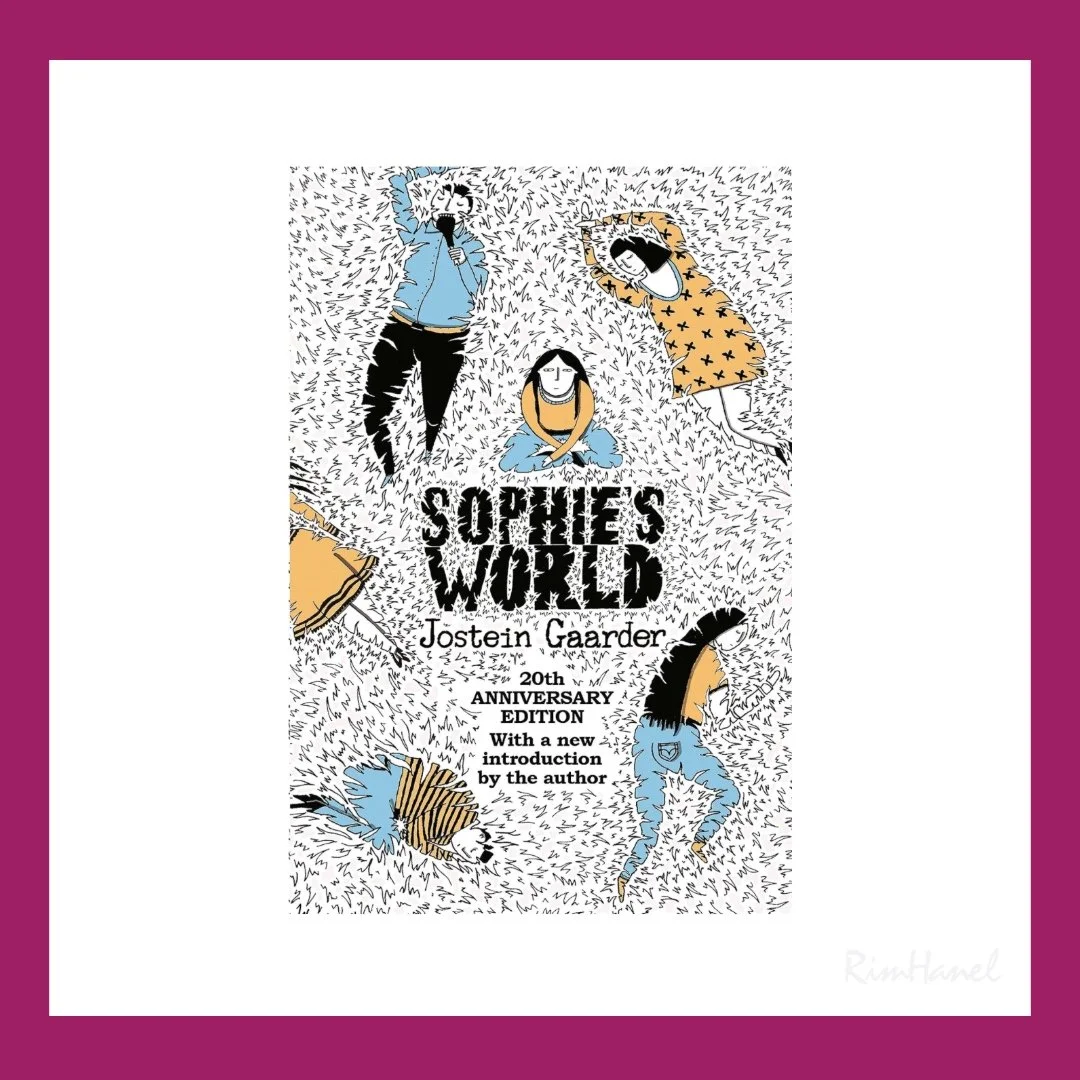
1. Sophie's World - by Jostein Gaarder
Gaarder often writes from the perspective of children, exploring their sense of wonder about the world. In “Sophie’s World”, 14-year old Sophie begins receiving mysterious letters addressed to another girl and before she knows it, she’s taken on a journey with a mysterious philosopher that gradually unfolds the entire history of Western philosophy. A perfect start for beginners, this international bestseller blends philosophy, mystery and fantasy through storytelling, taking you on an accessible tour of major thinkers and ideas.
(extract/quote)
“Who are you?” Sophie stared at the mirror. “You don’t know who you are?” She shook her head. “Then who are you?” the note continued. Sophie had no idea what to answer.
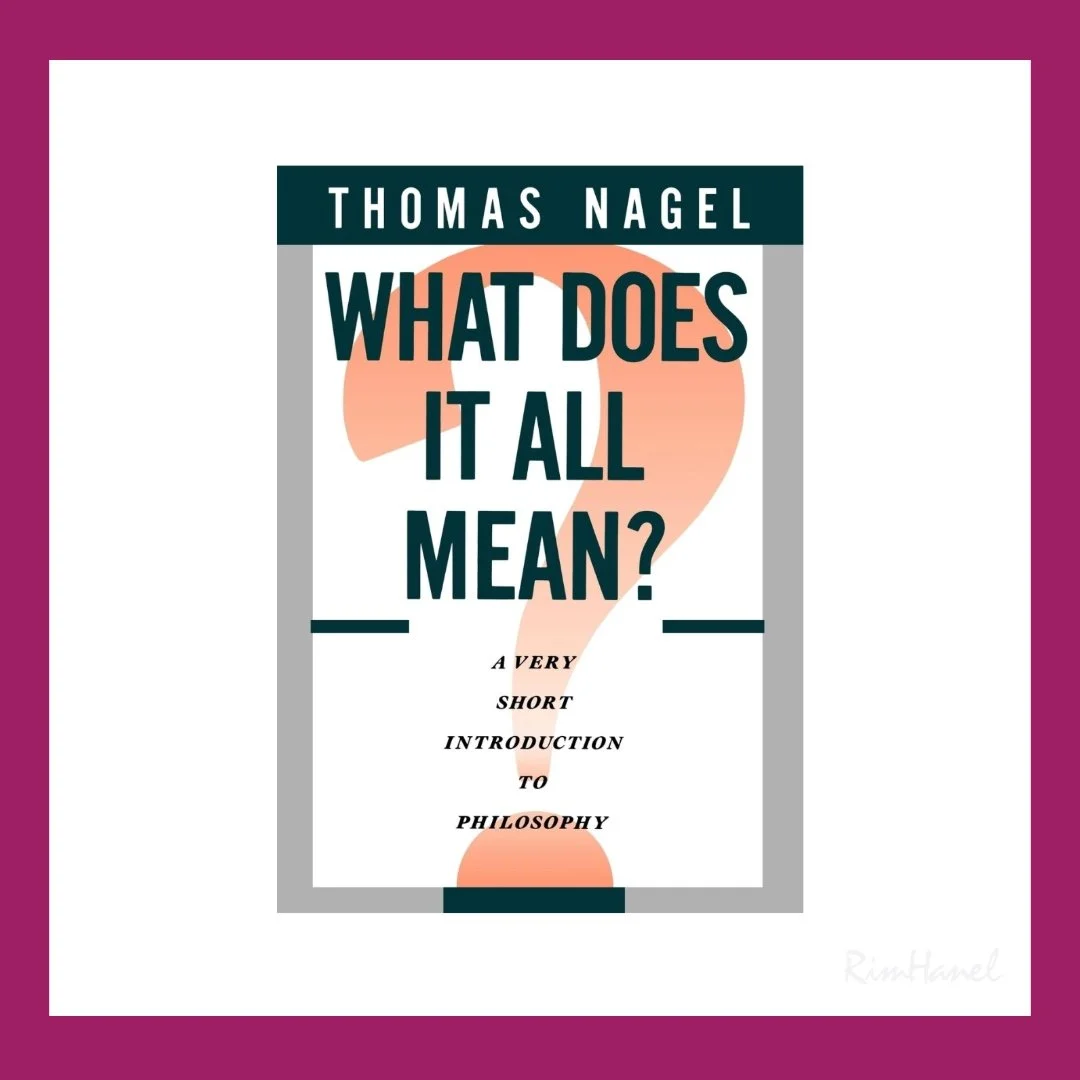
2. What Does It All Mean? - by Thomas Nagel
Nagel identified as an atheist who openly questions the limits of materialist evolution. “What does it all mean” is a concise, plainly written exploration of nine fundamental philosophical problems, such as free will, the meaning of life, is death the end of life?, and the nature of right and wrong. This book is designed to show beginners how philosophy starts with everyday doubts, fosters the beginning of learning to think, question, argue and raise possible objections. And so the journey for a new philosopher will begin.
(extract/quote)
“If you think about it, the inside of your own mind is the only thing you can be sure of. Whatever you believe—whether it’s about the sun, moon, tables, chairs, other people—you might be completely wrong. The only thing you know for certain is what’s going on in your own mind.”
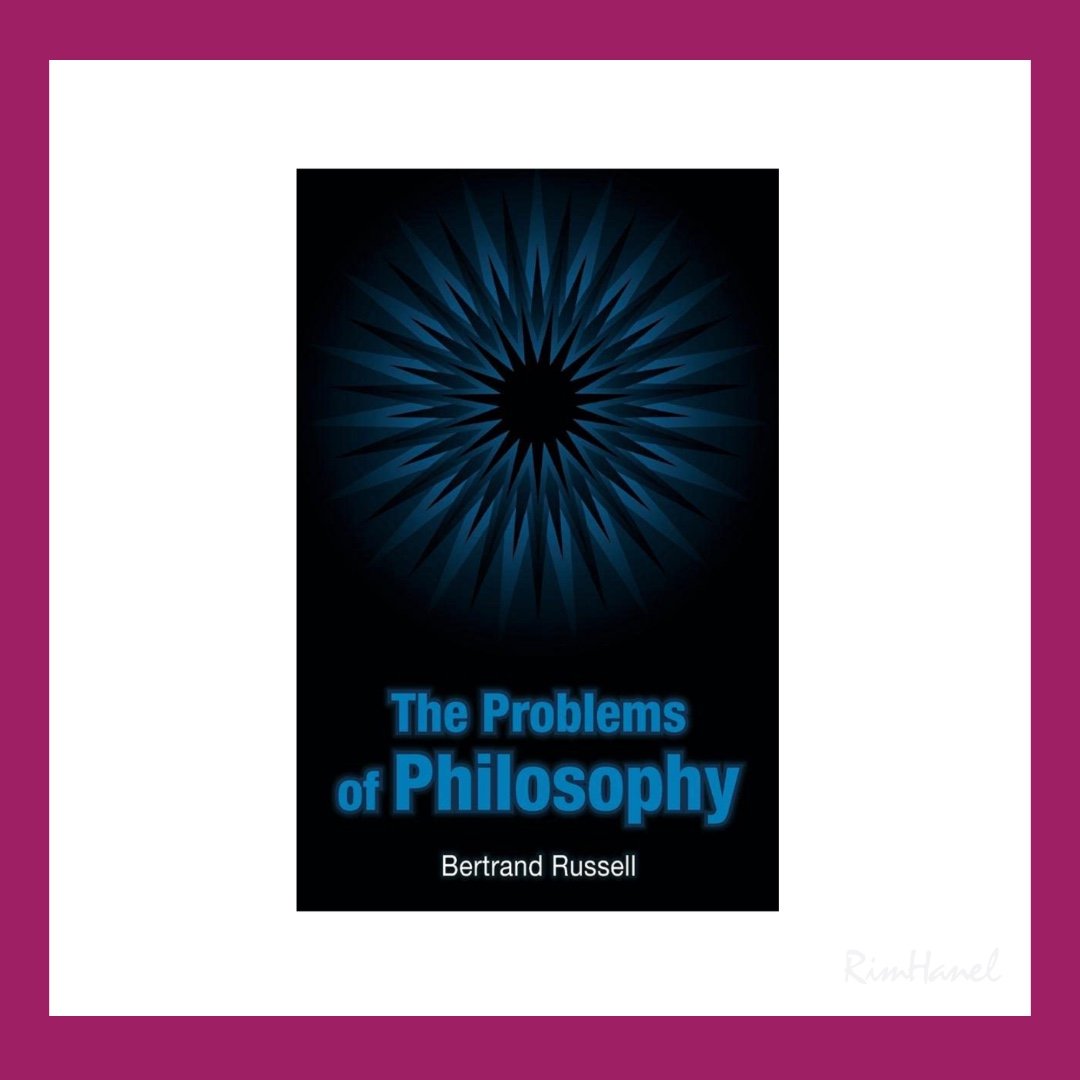
3. The Problems of Philosophy - by Bertrand Russell
An English philosopher, logician, mathematician, and public intellectual, he influenced mathematics, logic, set theory, and various areas of analytic philosophy. “The Problems of Philosophy” is a classic introduction to key epistemological (relating to the theory of knowledge) questions, examining what we can truly know about the external world, the nature of matter, perception, and the value of philosophical inquiry itself.
(extract/quote)
“Is there any knowledge in the world which is so certain that no reasonable man could doubt it? This question, which at first sight might not seem difficult, is really one of the most difficult that can be asked.”
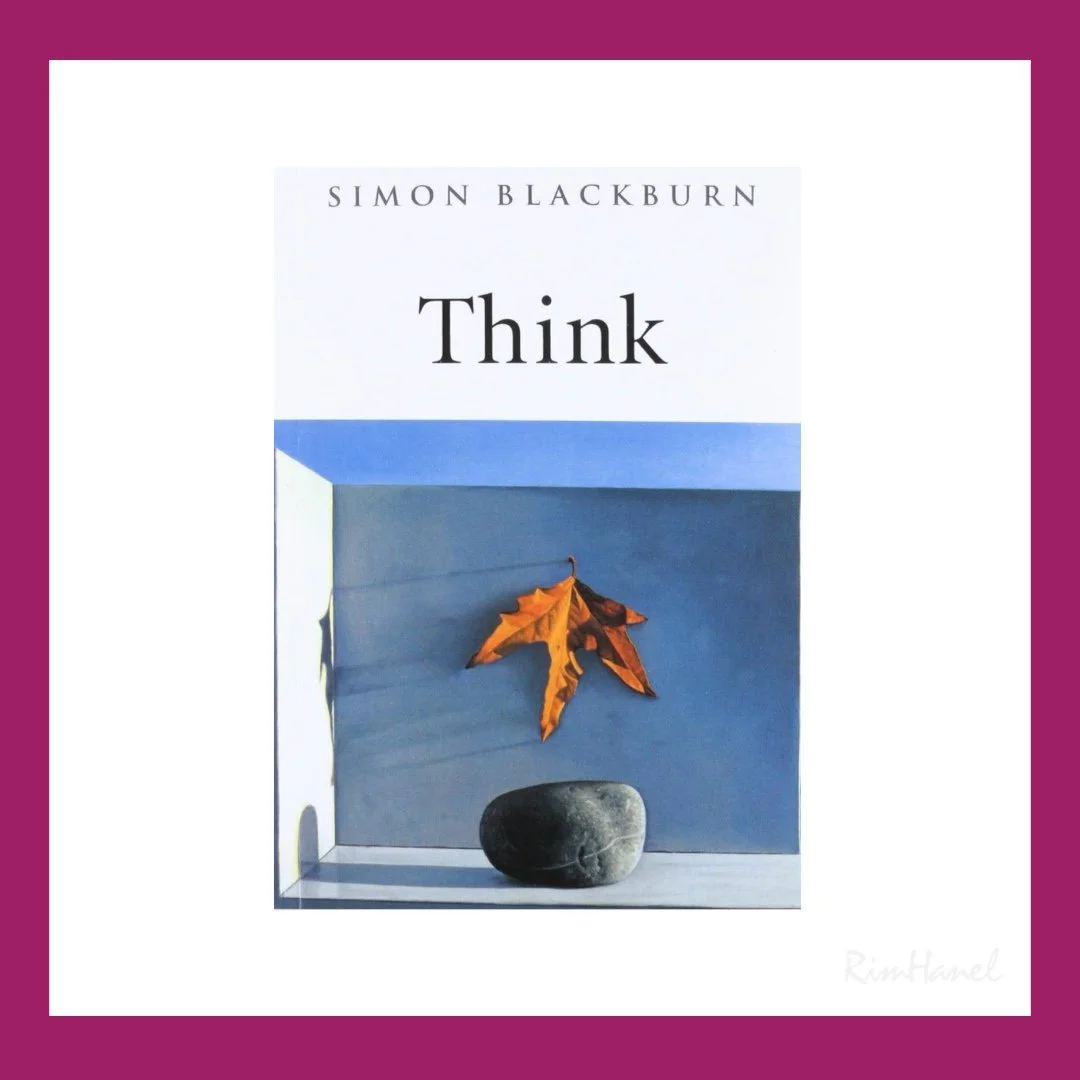
4. Think - by Simon Blackburn
A prominent British academic philosopher, he’s known for his work in meta-ethics, philosophy of language, and for popularizing philosophy. He is famous for developing "quasi-realism" - a view that ethical statements are projections of emotional attitudes treated as real features of the world. When asked to define his atheism, he said he prefers the label infidel over atheist: “Being an infidel, that is, just having no faith, I do not have to prove anything. I have no faith in the Loch Ness Monster, but do not go about trying to prove that it does not exist, although there are certainly overwhelming arguments that it does not.” His book “Think” is an inviting modern guide that encourages critical thinking by walking through major philosophical topics - God, knowledge, mind, free will, self, morality, and justice - in a conversational style that challenges common assumptions.
(extract/quote)
“Philosophy is not like physics or history. It does not have a subject matter in the same way… It is rather an activity: the activity of reflecting on our beliefs, questioning them, and trying to make sense of them.”
5. Philosophy: The Basics - by Nigel Warburton
After lecturing at university for 20 years, Nigel Warburton is now a freelance philosopher doing public philosophy through a variety of media, including radio, podcasts, weblogs, magazines, newspapers and in person events. “Philosophy: The Basics” is a straightforward, well-structured overview of the main branches of philosophy (ethics, politics, knowledge, mind, God, aesthetics) with clear explanations, examples, and arguments to help newcomers grasp core concepts and debates.
(extract/quote)
“Philosophy is an activity. It is a way of thinking about certain sorts of question. Its most distinctive feature is its use of logical argument. Philosophers typically ask questions such as ‘What is knowledge?’ or ‘What is justice?’ and try to answer them by careful reasoning.”
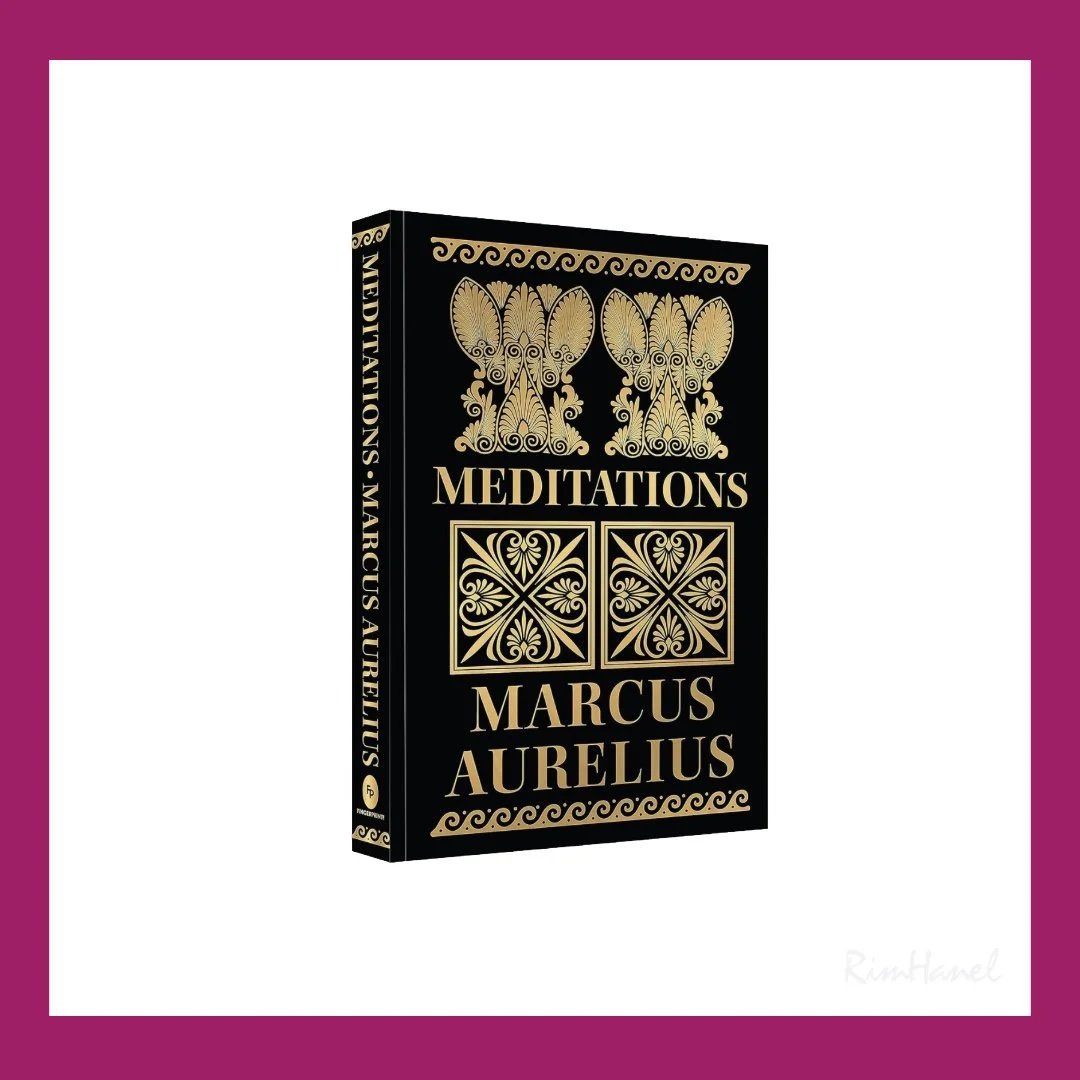
6. Meditations - by Marcus Aurelius
A Roman emperor from 161 to 180 and a Stoic philosopher, Marcus Aurelius was a member of the Nerva–Antonine dynasty, the last of the rulers later known as the Five Good Emperors and the last emperor of the Pax Romana, an age of relative peace, calm, and stability for the Roman Empire lasting from 27 BC to 180 AD. “Meditations” is a compilation of his private journal entries over a ten-year campaign in Greece, reflecting on Stoic principles for living wisely - emphasizing self-discipline, acceptance of what cannot be controlled, virtue as the highest good, and maintaining inner calm amid life’s challenges. To this day, his reflections can be applied to everyday challenges like annoying co-workers, difficult family members, the expectations of others, unrealized goals and achievements, and, ultimately, happiness.
(extract/quote)
“Whenever you are about to find fault with someone, ask yourself the following question: What fault of mine most nearly resembles the one I am about to criticize?”
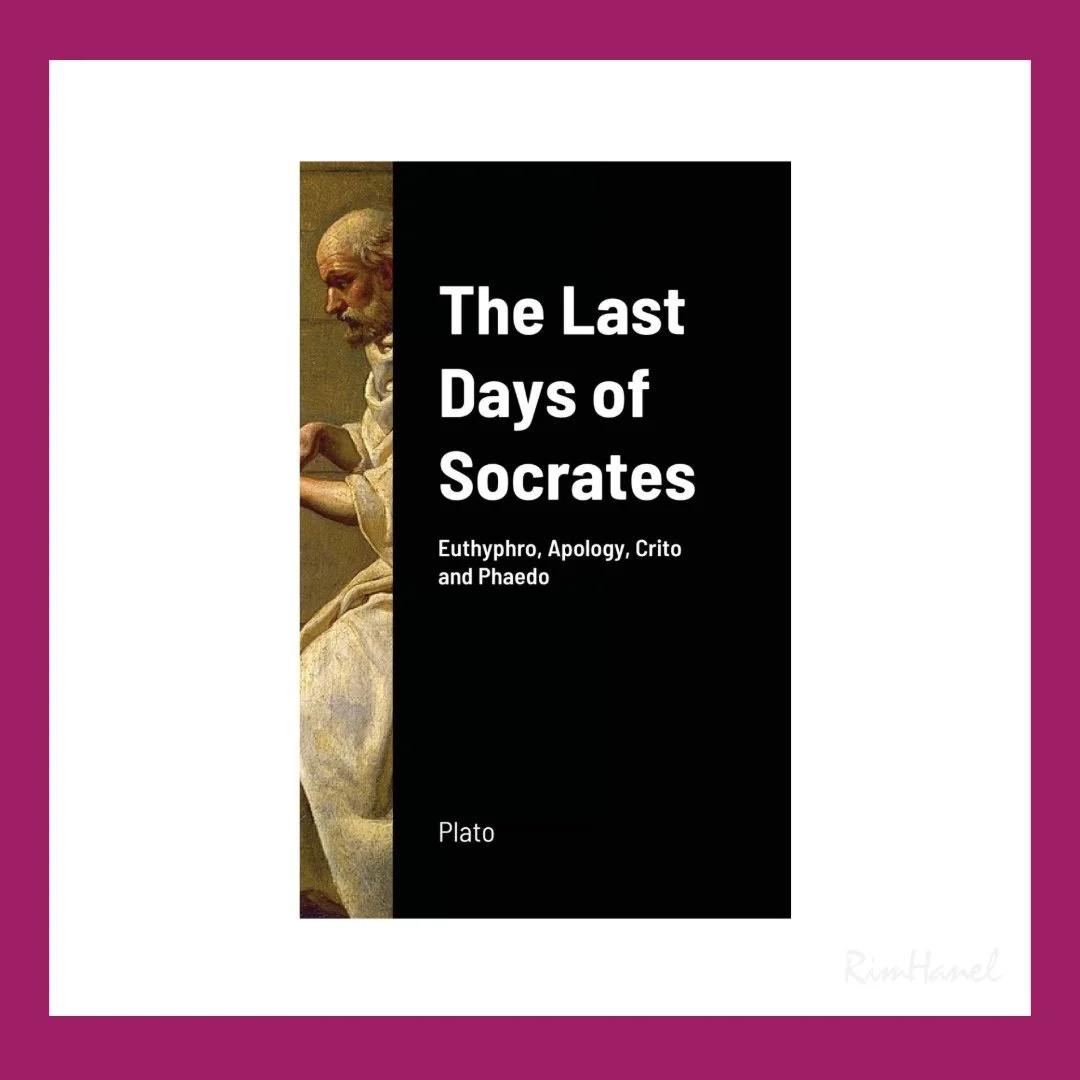
7. The Last Days of Socrates - by Plato
Plato was an ancient Greek philosopher of Classical Athens who is most commonly considered the foundational thinker of the Western philosophical tradition. “The Last Days of Socrates” details four dramatic dialogues recounting Socrates’ trial, defense, imprisonment, and death, showcasing his method of questioning, commitment to truth and virtue, and calm acceptance of his fate.
(extract/quote)
"No one is more hated than he who speaks the truth"
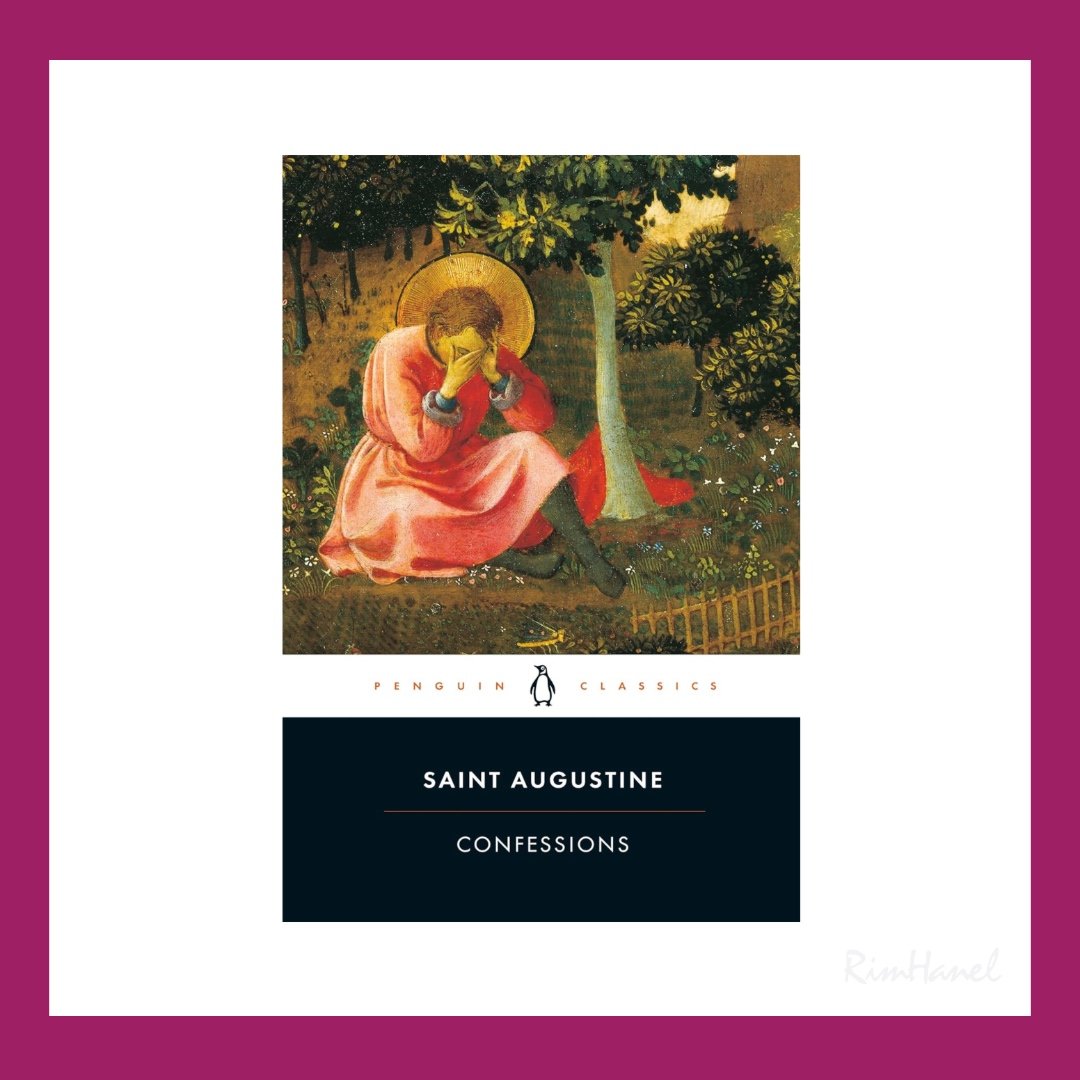
8. Confessions - by Saint Augustine
Born to a christian mother and pagan father in Roman Africa, Saint Augustine became a Christian theologian and philosopher. His writings deeply influenced the development of Western philosophy and Western Christianity, and he is viewed as one of the most important Church Fathers of the Latin Church in the Patristic Period. “Confessions” is a classic in Christian theology, and an intimate autobiographical work tracing the author’s journey from a restless, sinful youth to Christian conversion, while wrestling with profound questions about time, memory, evil, and the human longing for God.
(extract/quote)
“And men go abroad to admire the heights of mountains, the mighty waves of the sea, the broad tides of rivers, the compass of the ocean, and the circuits of the stars, yet pass over the mystery of themselves without a thought.”
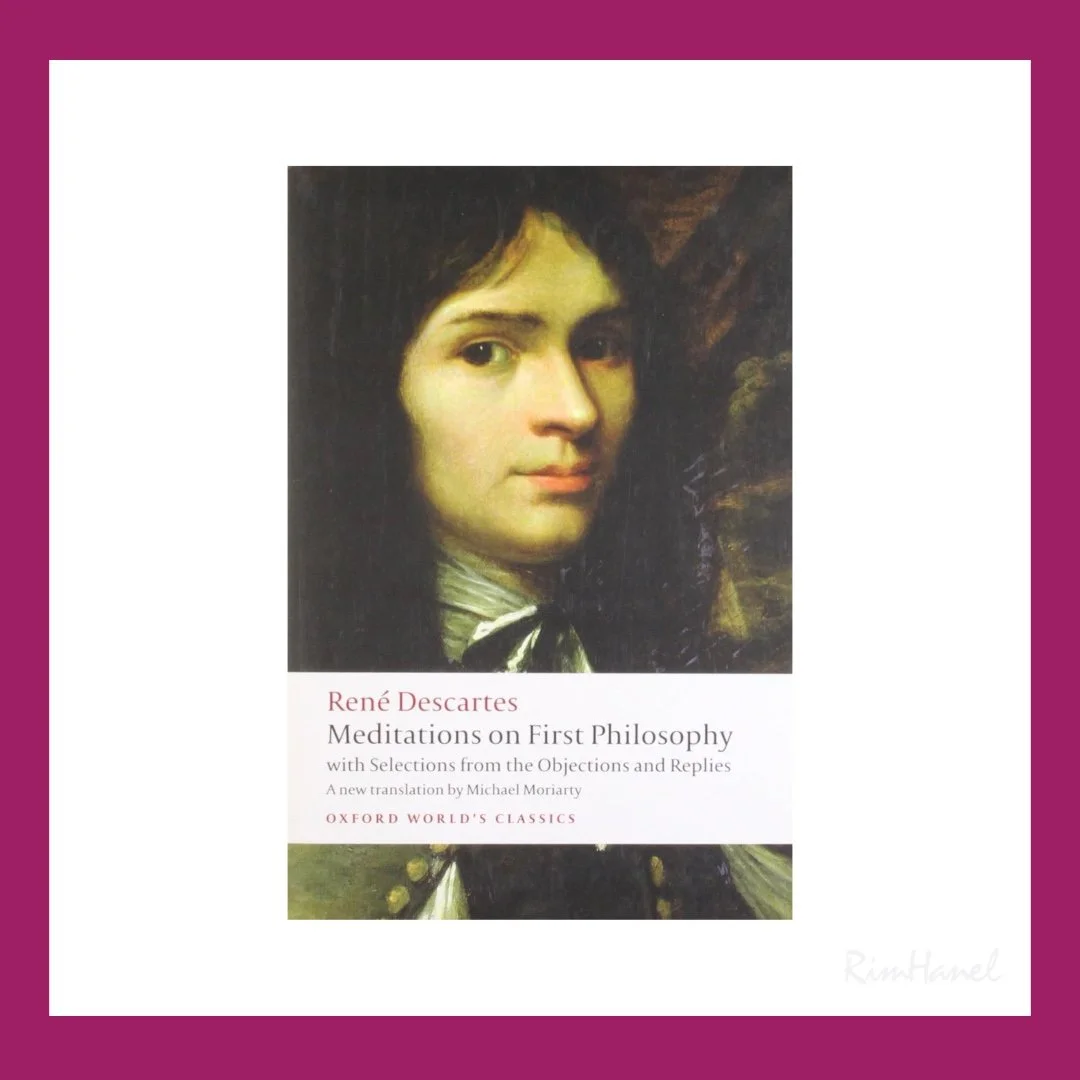
9. Meditations on First Philosophy - by René Descartes
A French philosopher, scientist, and mathematician, René was widely considered a seminal figure in the emergence of modern philosophy and science. Dismissing the authority of earlier philosophers, Descartes often distinguished his own ideas from those of his predecessors. Through six meditations, Descartes employs systematic doubt to reject all uncertain beliefs, aiming to establish a secure foundation for knowledge based on clear, distinct ideas, resulting in the famous dictum: "Cogito, ergo sum" (I think, therefore I am). A cornerstone of modern thought, this text systematically doubts everything that can be doubted to arrive at undeniable truths.
(extract/quote)
“Dubium sapientiae initium. (Doubt is the origin of wisdom.)”
“I will suppose, then, that everything I see is false. I will believe that nothing has ever existed of all that my deceitful memory represents to me… But what then am I? A thing that thinks. And what is that? A thing that doubts, understands, affirms, denies, wills, refuses, and which also imagines and senses.”
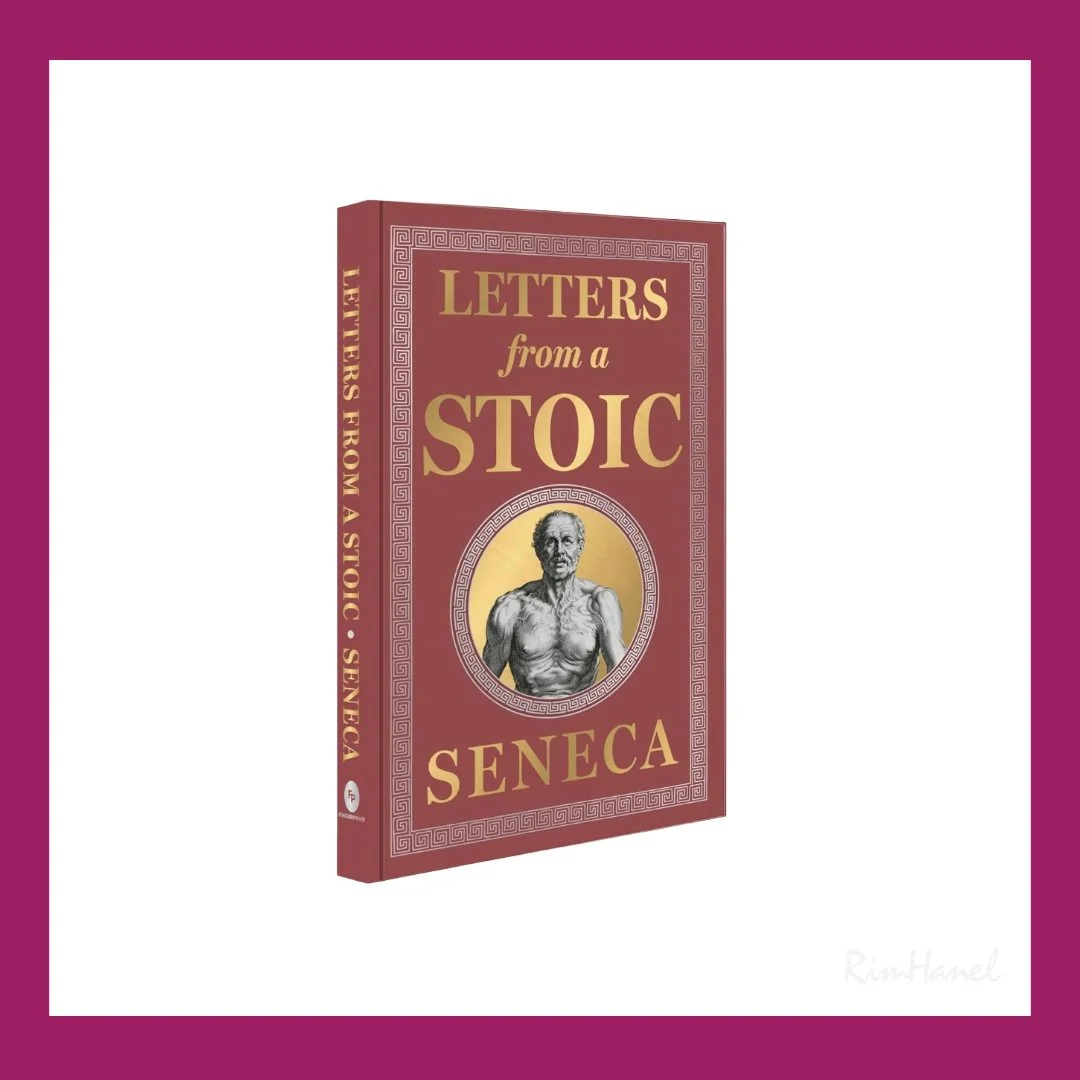
10. Letters from a Stoic - by Seneca
A prominent Roman Stoic philosopher, statesman, and dramatist known for his practical, ethical writings, he was accused of conspiring against Nero and was ordered to take his own life, a death he met with the calm composure of a philosopher. “Letters from a Stoic” is a compilations of 124 practical, personal letters offering Stoic advice on handling adversity, wealth, grief, anger, and daily life, emphasizing rational self-control, virtue, and living in accordance with nature. It offers a strong starting point for any newcomer to philosophy to learn about the stoic way of thinking and discover a guide to living a more fulfilling and happy life. It’s a must-read for anyone (not just beginners) looking to live a more purposeful life.
(extract/quote)
“It is not the man who has too little, but the man who craves more, that is poor. What does it matter how much you have in the bank, or how many granaries you own, or how many herds you have grazing, if you are always coveting another’s property?”
As an Amazon Affiliate we receive commissions on qualifying sales through links. This contributes to the upkeep of RimHanel.com and we appreciate your support and trusting us to bring you the best curated recommendations to make your visit to RimHanel worth your time.